Create Your Anonymous Profile
Sign up with a username you have never used before and an email address created purely for selling. No real name, no face, no location — that is the default, not a special request.

Everything a first-time seller actually needs: what to shoot, how to stay anonymous, what to charge, and how the money reaches you. No studio, no following, no face — just your phone, a window and about an hour to set up properly.
This is the whole process. Everything further down the page is detail on how to do each of these four things well.
Sign up with a username you have never used before and an email address created purely for selling. No real name, no face, no location — that is the default, not a special request.
Shoot ten to fifteen photos in daylight against a plain background, split them into two or three themed sets, and write a short bio that says what you offer.
A low single-photo price to convert first-time buyers, a bundle that lifts your average order, and a custom rate you state openly so nobody has to ask.
Buyers pay through the platform before anything is delivered. Your balance builds with every sale and you withdraw once you reach the payout minimum.
Almost nothing. The list below is genuinely the whole kit, and most people already own every item on it. If you have been putting this off because you thought you needed equipment, you did not.
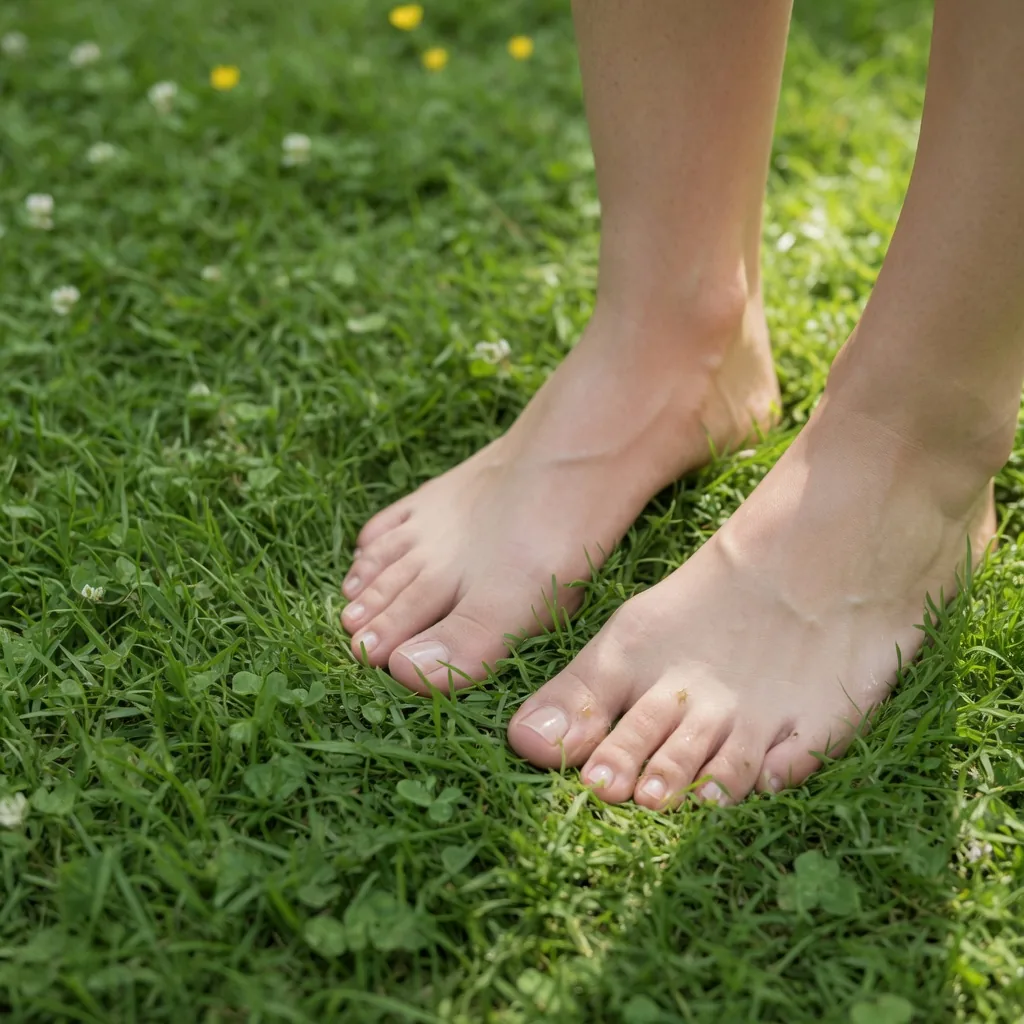
If you have never done this before, follow this exactly once. You will end up with enough photos for a starter gallery and two or three themed sets.
The hard part of selling feet pics is not the photography. It is everything around it: finding people who actually want to buy, getting paid without handing your bank details to a stranger, and not having your account deleted by a platform that never wanted this content in the first place. Social apps fail at all three, which is why almost every experienced seller eventually leaves them.
On a general social platform you are advertising to an audience that did not come to buy, in an inbox full of people asking for free samples, under content rules that can remove your account without notice. Payment happens off-platform, which means the moment something goes wrong there is no record, no protection and nobody to appeal to. A dedicated marketplace inverts every one of those problems: the audience arrived specifically to buy feet pics, payment clears before content is delivered, the conversation lives in one searchable place, and your identity is a username rather than a legal name.
That is the entire argument. Not that a marketplace is magic, but that it removes the four things that make beginners quit — no buyers, no protection, no privacy, no recourse. What is left is the part you control: photo quality, pricing and how quickly you reply.
The tooling that makes the four steps above work in practice, rather than in theory.
Singles, bundles and custom rates are yours to decide and change whenever you like. No fixed price list, no approval process, no minimum.
No face, no real name, no location. You sell under a username, and nothing you have not deliberately published is visible to a buyer.
Your balance builds with every completed sale and you withdraw through a supported payout method as soon as you hit the minimum.
Buyers hold accounts with history and ratings, and they pay before delivery. That single rule removes the most common way sellers get burned.
Content stays behind the paywall until a purchase clears, and you keep block and report controls you can use without asking anyone.
Payments are processed in-platform, so no bank details cross between buyer and seller and nothing obvious appears on either side.
A camera, a window and twenty minutes. Setting up a profile costs nothing, so you can find out what your first week looks like before you commit to anything at all.
Start Selling TodayBuyers browse by theme, not by seller. Shooting recognisable, named styles is what gets you found — and a themed set justifies a higher price than the same photos posted loose.
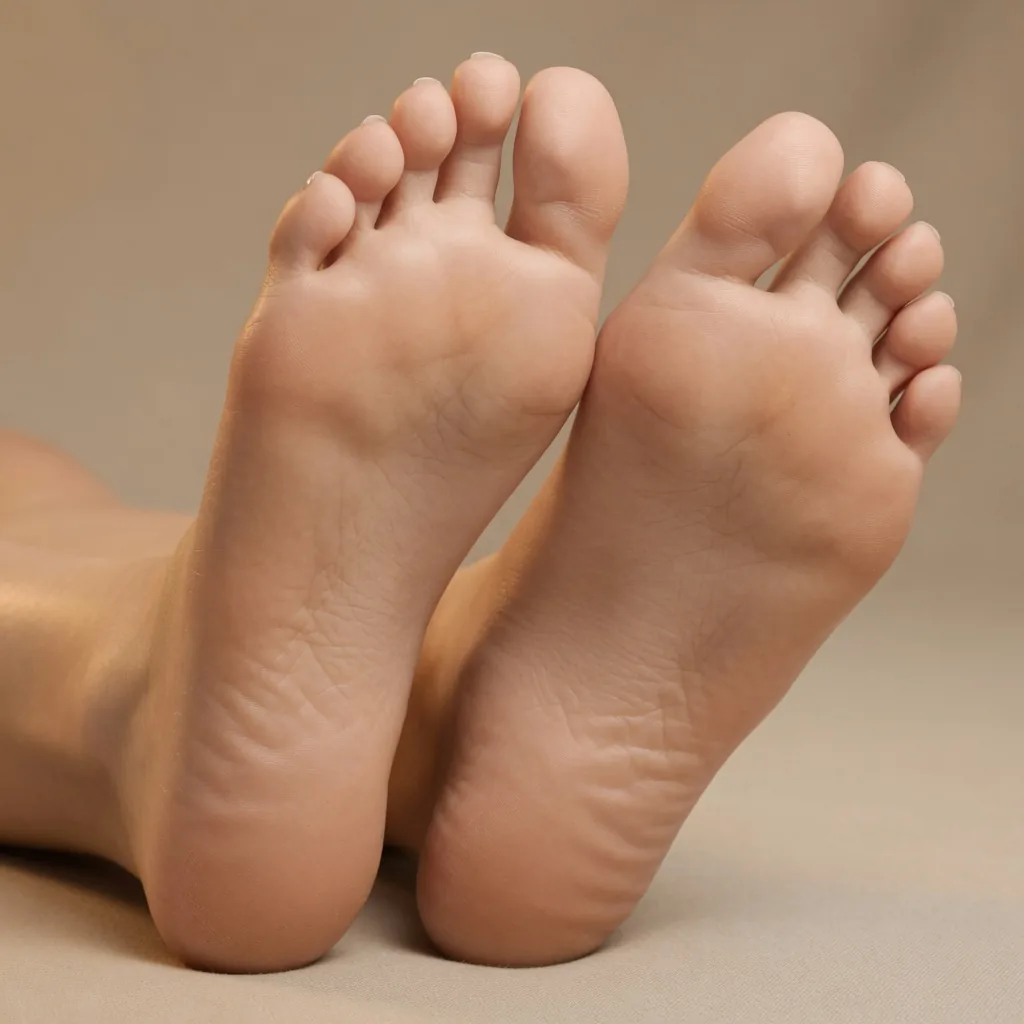
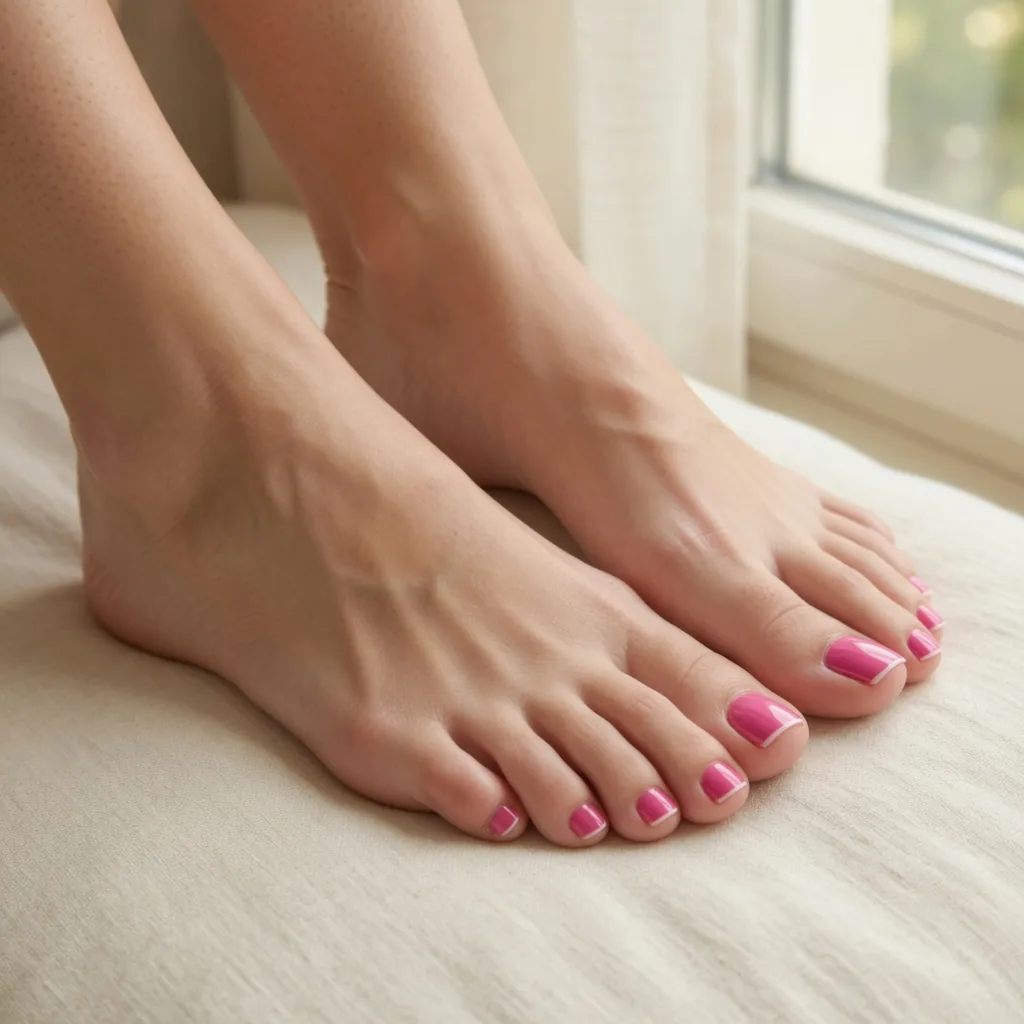


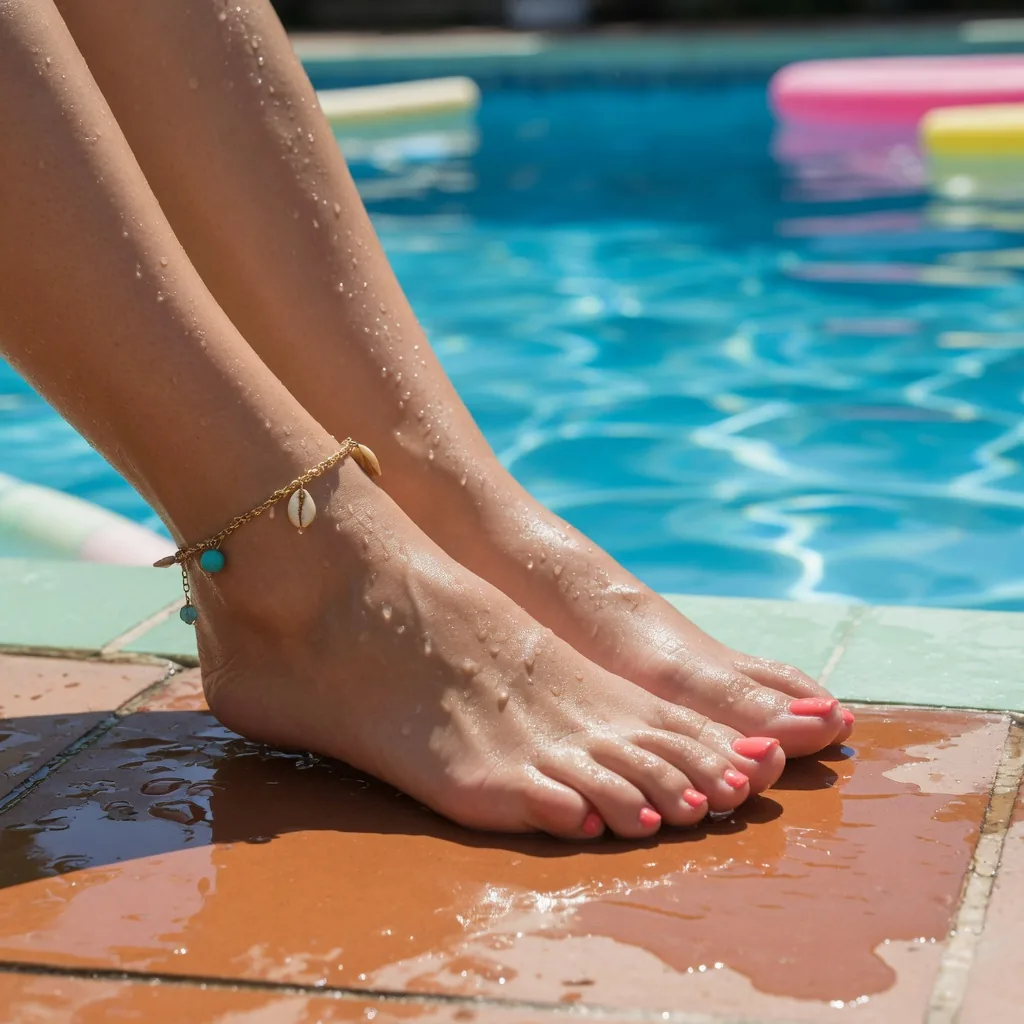
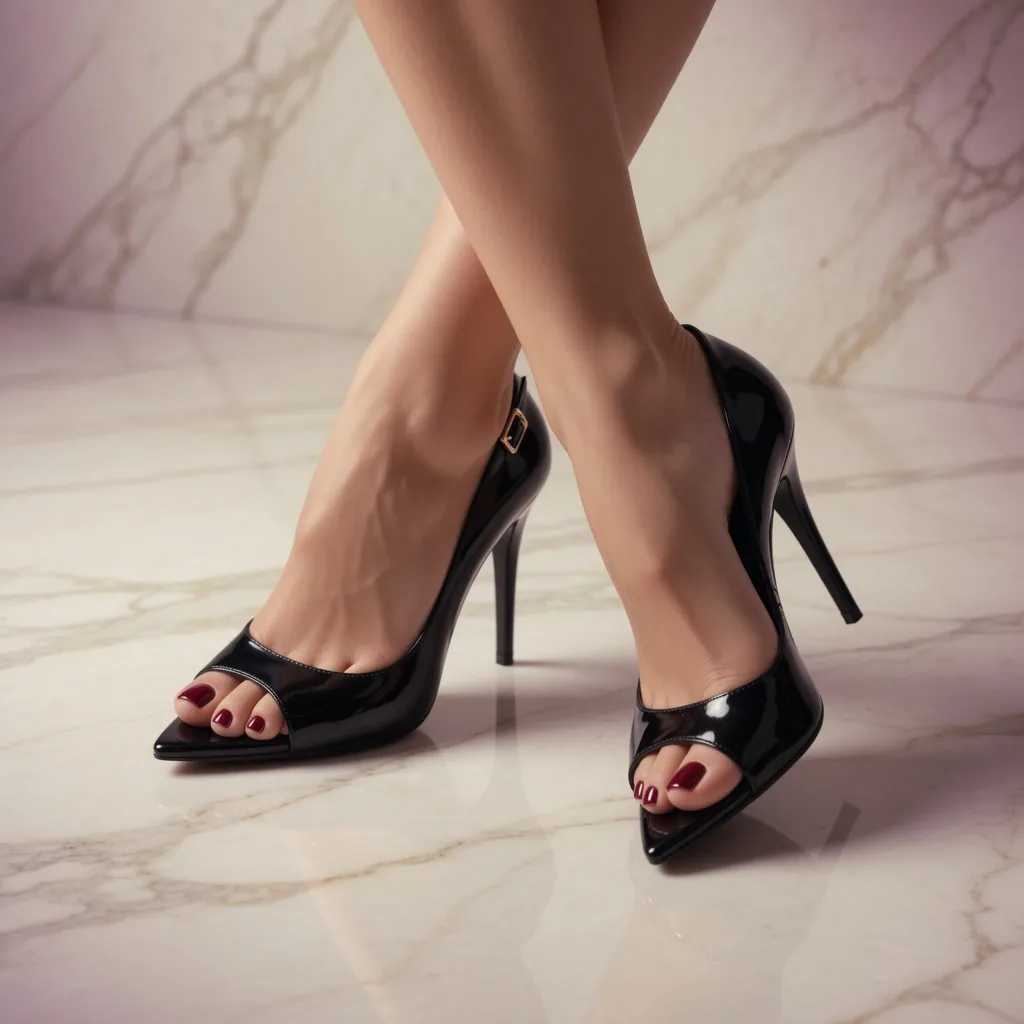

You do not need to shoot everything. Sellers who own two or three themes get found more often than sellers who post a bit of everything, because search and browsing both work by category.
Highlighted tags are the categories buyers browse most. Start with one of those, add a second theme you genuinely enjoy shooting, and let the rest come later.
Anyone quoting a guaranteed figure is guessing. What is stable is the shape of the market — the price bands below have barely moved in years. Your monthly total is those numbers multiplied by how often you post and how fast you reply, and nothing else.
| Content type | Typical price range | What usually moves the price |
|---|---|---|
| Single photo | $5 – $15 | Lighting quality, angle, whether it fits a popular theme |
| Small bundle (5–10) | $20 – $40 | Set coherence, variety of angles, whether it tells one clear story |
| Large bundle (15+) | $40 – $80 | Volume, exclusivity, and how new the set is |
| Custom set | $30 – $150 | Specific poses, props, turnaround time, complexity of the brief |
| Premium / themed | $50 – $200 | Wardrobe, location, props and genuine planning effort |
| Monthly, new sellers | $50 – $200 | Upload frequency and how fast you reply, far more than photo quality |
Pricing is where new sellers lose the most money — usually by going too low, occasionally by going too high before they have any ratings. The fix is a structure you adjust as feedback arrives, not a single perfect number.
Anonymity is not one setting you switch on. It is a dozen small habits that each take seconds and together make you effectively untraceable.
Say no once, politely, and restate what you do offer. You never owe an explanation and you are not obliged to negotiate. If they push after a clear no, block and report — that is exactly what those controls are for, and using them costs you nothing but a buyer you did not want. Sellers who set boundaries early get treated better by everyone who comes after.
In most countries, yes to both. Photographs of feet are not classed as explicit content, so selling images you took and own is treated like selling any other digital product. It is ordinary self-employed income rather than a legal grey area, which also means the tax authority expects to hear about it.
This section is general information, not legal or tax advice. Rules vary by country and change over time — confirm the details for your own jurisdiction.

The rules are broadly the same across English-speaking markets — legal for adults, taxable as self-employed income. What differs is the paperwork and the threshold at which it starts.
Thresholds and figures change between tax years. Treat these as orientation and confirm current numbers with your national tax authority or a local accountant.
Create a free account using a fresh username and a separate email, shoot ten to fifteen photos in daylight against a plain background, upload them as two or three themed sets, set a low single-photo price plus one bundle, and reply quickly to every message. Most beginners are live within an hour of deciding to try it.
No. Any phone from the last five years is more than sharp enough. Lighting matters far more than the camera — moving to a window will improve your photos more than any equipment you could buy. Wipe the lens before you shoot; that alone fixes most "blurry" complaints.
Ten to fifteen across three or four different looks. That is enough for a buyer to see range and believe you are an active seller, and it comes out of a single short shoot. Adding two or three new photos a week after that keeps you visible.
Yes, and most sellers do. Faceless selling is the norm rather than the exception. Keep your face out of frame, crop tattoos and jewellery, check the background for anything identifying, and use a username you have never used anywhere else.
Start at $5 to $8 for a single photo and $20 to $40 for a bundle of ten to fifteen. Once you have ten to fifteen good ratings, raise everything by 20 to 30 percent. Ratings are what make a higher price look justified to a new buyer.
Soles and arches, fresh pedicures, heels and straps, socks and tights, and beach or poolside sets are consistently the highest-demand categories. Themed sets outsell loose single shots because buyers browse by theme, not by seller.
Decline once, politely, and restate what you do offer. You owe no explanation. If they push after a clear no, block and report. Setting boundaries early costs you nothing except buyers you did not want in the first place.
Never send free samples to "prove" you are real, never move the conversation or payment off-platform, refuse gift cards and overpayment offers, and treat urgency as a red flag. Genuine buyers pay through the marketplace before they receive anything.
In most countries, yes — it counts as self-employed income. Log every payout from day one, set aside roughly a quarter to a third, and check the small-earnings threshold where you live. One short conversation with a local accountant settles it permanently.
A few days for some sellers, two to three weeks for most. The four things that shorten it are all under your control: gallery quality, sensible pricing, posting two or three times a week, and replying fast. Profiles that go quiet after one upload are the ones that stall.
In most countries, yes, for adults aged 18 or over. Feet pics are not classed as explicit content, so selling images you took and own is treated like any other digital product. You must be of legal age, own the photos, follow the platform's rules and declare the income.
Yes. There is no contract, no minimum posting requirement and no notice period. Unlist your sets, pause your profile, or close the account whenever you like. Plenty of sellers treat it as a seasonal side income rather than something continuous.
Want the deeper version — earnings breakdowns, buyer psychology and the full safety guide? Read how to sell feet pics safely and anonymously.
Anonymous profile, verified buyers, protected payments and prices you set yourself. Signing up is free and takes a few minutes — your first set could be live tonight.
Start Selling Now